

The All-Inclusive Gambit Hits Vegas
MGM Resorts and Caesars Entertainment just made their moves in the all-inclusive game, but they're not betting their premium properties on it. MGM rolled out packages at Luxor and Excalibur starting at $330 for two nights, while Caesars countered with deals at Harrah's, The LINQ, and Flamingo from $200 per night. Notice what‘s missing? Their crown jewels like Bellagio, Aria, or Caesars Palace aren’t anywhere near this strategy.
This isn‘t coincidence – it’s calculated risk management. Both companies are testing waters with properties that already cater to price-conscious travelers, essentially creating a buffer zone between their luxury brands and what could be perceived as a discount move. The timing reveals everything: gas prices still sting, travel feels expensive, and Vegas carries that “wallet-draining” reputation whether justified or not.
 411 Pick
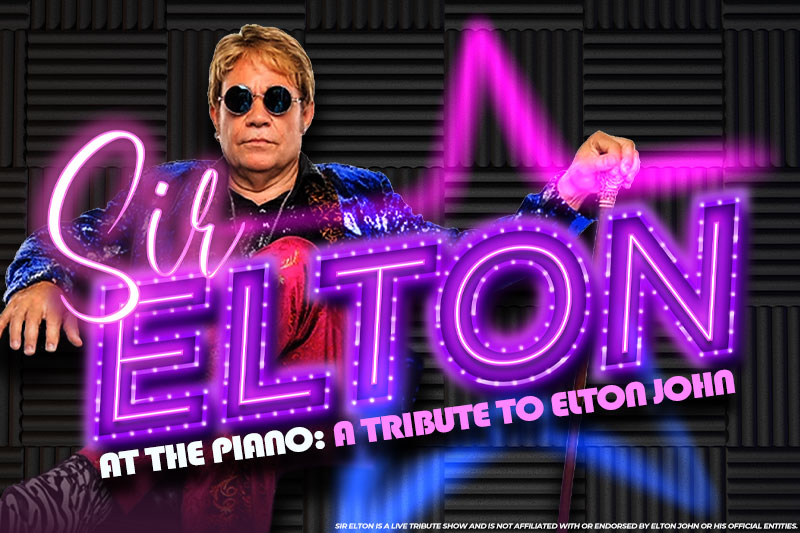
Sir Elton
The ultimate tribute to the amazing Elton John; the only all-Elton show in Las Vegas -- live at the piano.
Get Tickets — from $45What You Actually Get For Your Money
MGM's bundle includes three meals daily across multiple Strip properties, two show tickets from options like Blue Man Group and Carrot Top, plus Big Apple Coaster rides and parking. Caesars went different, offering two meals daily, bottomless drinks at select bars, High Roller tickets, and 20% off pool rentals. The strategic difference is telling – MGM focused on entertainment volume, while Caesars played the beverage angle harder.
The restaurant networks matter here. MGM's package spans five properties from Luxor to Mandalay Bay, giving guests legitimate Strip mobility. Caesars keeps things tighter within their three participating properties, but throws in names like Gordon Ramsay and Guy Fieri to justify the spend. Both companies smartly included parking – a $25 daily expense that adds up fast.
The Strategic Blind Spot
Here‘s where both operators might be missing the mark: these packages solve the wrong problem. Vegas isn’t expensive because of individual components – it‘s the nickel-and-diming that frustrates visitors. Resort fees, parking charges, inflated drink prices, and surprise costs create the perception of being gouged. These bundles address symptoms but don’t cure the underlying pricing psychology.
The real test comes in execution. Success requires seamless coordination across multiple venues, staff training on package parameters, and consistent service levels. One bad restaurant experience or show disappointment undermines the entire value proposition. Both companies are essentially betting their lower-tier properties can deliver premium experiences consistently – a challenging operational reality.
The Bigger Picture Play
This isn‘t really about all-inclusive packages – it’s about market positioning for a potential economic slowdown. Both companies are creating value perception anchors at their budget properties while protecting premium brand equity elsewhere. Smart hedging, but it reveals underlying concerns about consumer spending power.
The success metric isn‘t just bookings – it’s whether these packages actually change Vegas's expensive reputation or simply shuffle existing budget travelers between properties. Early returns will likely show positive uptake, but the real question is whether this moves the needle on new visitor acquisition versus cannibalizing existing business. Vegas has always been about perceived value over actual cost, and these packages represent a significant bet that bundling creates that perception better than traditional à la carte pricing.